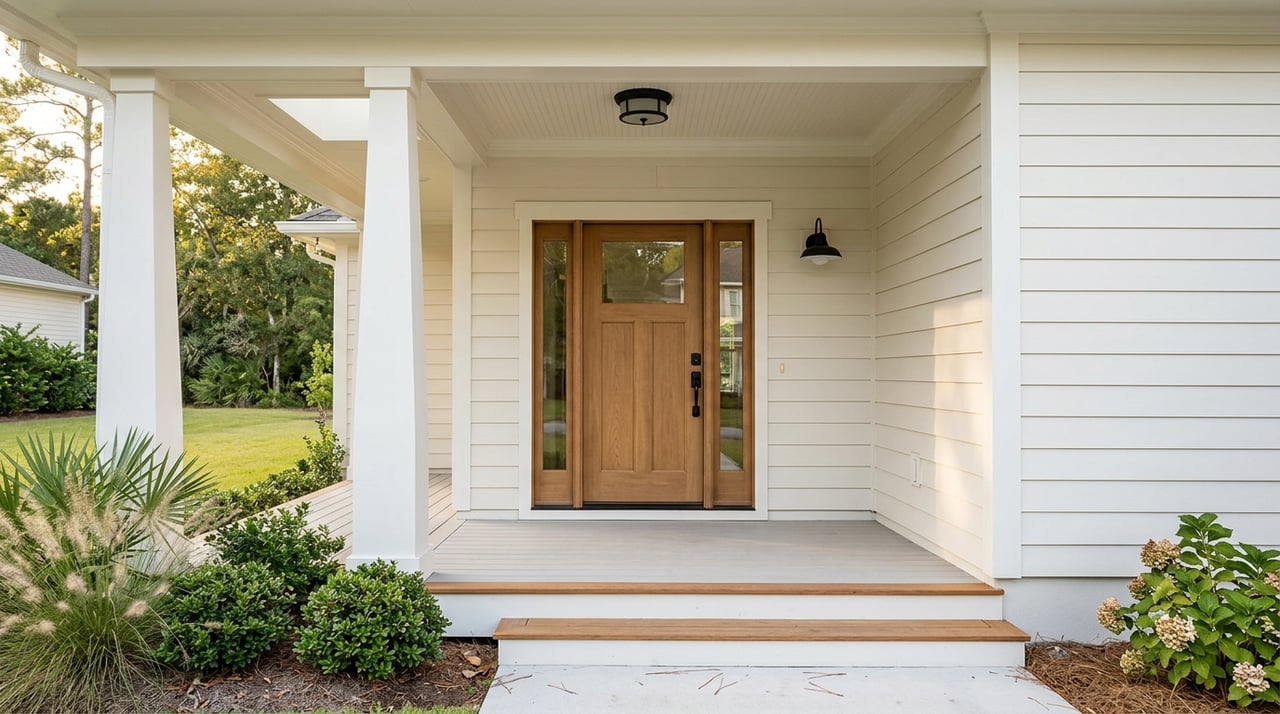
First Time Homebuyer Guide for Jacksonville, North Carolina
April 2, 2026
April 2, 2026
Buying your first home in Jacksonville, North Carolina can feel exciting and overwhelming at the same time. You may be wondering how much house you can afford, what help is available, and how North Carolina’s homebuying process works. The good news is that with the right plan, you can move forward with more confidence and fewer surprises. Let’s dive in.
Jacksonville has a housing market shaped in part by its strong military presence. The city describes itself as the commercial hub of Onslow County and home to Marine Corps Base Camp Lejeune and Marine Corps Air Station New River, which means many local buyers are navigating relocation timelines, service-related benefits, or a move from renting to owning.
That renter-to-owner transition is especially relevant here. According to U.S. Census QuickFacts for Jacksonville, the city’s owner-occupied housing rate is 38.7%, compared with 63.7% in Onslow County. If you have been renting and wondering whether buying is realistic, you are far from alone.
Local cost figures also help frame the conversation. Census data shows Jacksonville’s median gross rent is $1,321, while the median monthly owner cost with a mortgage is $1,464. In many cases, the difference between renting and owning may be smaller than buyers expect, especially when you factor in long-term goals and available assistance programs.
Before you tour homes, take a close look at your full monthly picture. That means reviewing income, debts, savings, credit, and the cash you may need for upfront costs. A realistic budget helps you shop with clarity instead of stretching too far.
The Consumer Financial Protection Bureau recommends treating preapproval as a budgeting tool, not a guaranteed loan. It also notes that preapproval letters are often valid for about 30 to 60 days. That makes timing important, especially if your move window is tight.
As you budget, remember that your monthly payment is only part of the equation. First-time buyers often need to plan for:
According to the CFPB homebuying guide, underestimating cash needs is one of the most common mistakes buyers make. Knowing your full cost picture upfront can help you avoid stress later.
If saving for a down payment feels like the biggest hurdle, there may be options worth exploring. In North Carolina, the NC Home Advantage Mortgage offers down payment assistance up to 3% of the loan amount. The same program page also outlines the NC 1st Home Advantage Down Payment, which offers $15,000 for first-time buyers and military veterans who meet additional criteria.
Current eligibility details on that program page include buying in North Carolina, moving into the home as your primary residence within 60 days, having a credit score of at least 640, and earning no more than $152,000. These programs can make a meaningful difference if upfront funds are your main barrier to buying.
Some buyers may also qualify for NCHFA Community Home Buying Programs. For eligible households earning below 80% of area median income, the Community Partners Loan Pool can provide up to 25% of the sales price or $50,000, whichever is less, as a zero-interest subordinate loan. This option includes homebuyer education and counseling requirements and must be paired with specific financing.
In addition to state programs, Jacksonville offers a local example of first-time buyer support through its Neighborhood Housing Initiative. The city says qualified buyers may receive down payment assistance, and its materials describe program homes as averaging about $180,000, with some city incentive information noting homes starting around $150,000.
It is important to view those numbers correctly. They are program-specific examples, not a snapshot of the full Jacksonville market. Still, they show that local assistance may play a valuable role for buyers who meet the program’s income and occupancy requirements.
The Neighborhood Housing Initiative also includes an 8-hour homebuyer education course and may include land value assistance structured as a deferred forgivable loan, with the lot forgiven after 10 years of occupancy under the city’s current description. For many first-time buyers, this is a helpful reminder that education is often part of the path to financial assistance.
Because Jacksonville is closely connected to the military community, VA financing deserves special attention. Onslow County reported 25,185 veterans in the 2020-2024 Census data, so many local readers may be eligible for VA-backed financing even if they are buying their first home.
The U.S. Department of Veterans Affairs says eligible buyers need a Certificate of Eligibility, and VA-backed purchase loans can allow no down payment. If you are an eligible service member or veteran, that benefit can have a major impact on your upfront costs and your buying strategy.
One part of the process that surprises many first-time buyers is paperwork around representation. In North Carolina, buyer agency agreements must be in writing and signed no later than the time an offer is made, according to the North Carolina Real Estate Commission. The Commission also notes that some buyers may need a written agreement before touring homes, depending on how representation is structured.
This matters because you should know who represents whom before you get deep into the process. Clear representation helps you understand your relationship, your agent’s role, and how guidance is provided during negotiations and due diligence.
North Carolina’s due diligence period is one of the most important parts of a purchase contract. The NCREC explains that this period is negotiated, begins on the effective date, and should be long enough for inspections, appraisal, financing, and any repair discussions.
During this window, you are doing the work needed to decide whether to move forward. That can include reviewing inspection results, confirming financing, and negotiating repairs or credits if appropriate. If the due diligence period expires, your ability to terminate the contract can change in important ways.
It is also important to understand the money involved. The due diligence fee, if any, is negotiated and is generally nonrefundable if you walk away, while earnest money is separate. NCREC also notes that the due diligence fee is typically due immediately on the effective date, and a seller may terminate if the buyer does not deliver the due diligence fee and earnest money deposit as required.
Another key step is reviewing seller disclosures as early as possible. Under North Carolina General Statutes Chapter 47E, required disclosure statements must be delivered no later than the time you make an offer. If they are not provided by then, you may have a limited statutory window to cancel the contract.
For a first-time buyer, that means disclosures are not just routine paperwork. They are an important part of your decision-making process. Reading them early can help you ask better questions before you become too emotionally attached to the home.
A clear timeline can make the entire process feel more manageable. The CFPB’s homebuying resources place budgeting and loan shopping before the offer stage, which is a smart framework for first-time buyers.
Here is a simple way to think about the process:
Focus on your credit, savings, paperwork, and payment target. Gather key financial documents and get preapproved so you understand your likely range.
Talk through agency relationships early. Make sure you understand who represents you and what paperwork may be needed before you write an offer or, in some cases, before touring.
Schedule the inspection quickly. The CFPB recommends doing this as soon as possible so there is enough time to review findings and address concerns before deadlines pass.
Use the time intentionally. Confirm your financing, review the inspection, consider repair requests, and make sure the property still fits your budget and goals.
Watch for your Closing Disclosure. By law, buyers must receive it at least three business days before closing, giving you time to compare final loan terms, fees, and ownership details before signing.
Verify final figures and wiring instructions carefully. The CFPB warns buyers about closing scams, so this is the time to slow down, confirm details, and ask questions if anything looks unfamiliar.
In North Carolina, the closing process is attorney-centered. The North Carolina State Bar explains that while a nonlawyer may handle ministerial tasks and present documents, a lawyer must provide the legal services required for the closing.
That is useful context for first-time buyers because it reinforces that closing is more than a paperwork handoff. It is a legal process with deadlines, funds, title work, and documents that deserve careful review.
Even well-prepared buyers can run into avoidable issues. A few of the most common include:
The good news is that each of these risks can be reduced with preparation and good guidance. When you understand the local process, you are in a much stronger position to make thoughtful decisions.
For first-time buyers in Jacksonville, success usually starts with a few simple steps: build a clear budget, learn which assistance programs may apply to you, understand North Carolina’s due diligence process, and stay organized from preapproval through closing. In a market with a strong rental base, military ties, and several possible paths to assistance, preparation can give you a real advantage.
If you want a steady, polished partner as you plan your next move, connect with Theresa Pavone for thoughtful guidance and a client-first approach.







Experience a personalized journey to your dream home with Theresa Pavone. Every step, from consultation to closing, is thoughtfully curated to meet your unique vision of luxury living.