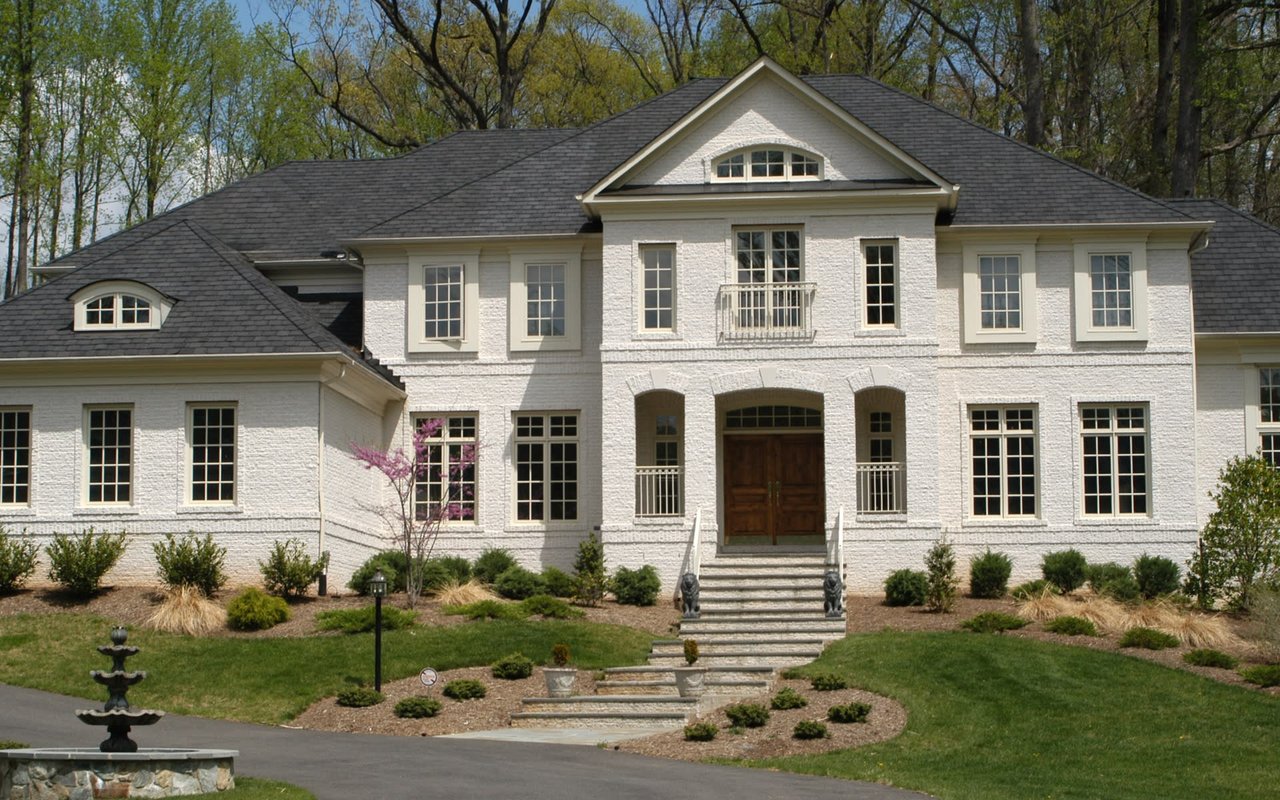
Should You Buy in a Charlotte Neighborhood With an HOA?
November 11, 2026
November 11, 2026
An HOA can protect shared amenities and establish neighborhood standards, but it also adds fees, rules and another layer of decision-making. Buying without an HOA provides more individual control, while placing more responsibility on each owner and offering fewer shared protections.
HOA dues may support landscaping, pools, clubhouses, private roads, gates, stormwater systems or exterior maintenance. A townhome association may cover more than a single-family community.
Compare the fee with the services, reserves and future obligations. A low fee is not automatically good if expensive infrastructure is underfunded.
Review restrictions on rentals, parking, pets, fences, exterior colors, sheds, solar panels and home businesses. Buyers with boats, work vehicles or plans for an accessory structure need answers in writing.
Do not rely on what is visible in the neighborhood. A rule may exist even when enforcement has been inconsistent.
Request the budget, reserve information, insurance and recent meeting minutes. Look for planned assessments, repeated maintenance concerns or disputes involving builders and common areas.
New communities deserve special attention. The developer may still control the association, and current dues may not reflect the long-term cost after turnover to residents.
Local zoning, recorded covenants, easements and city or county ordinances still apply. A property without an active association may have deed restrictions or shared maintenance arrangements.
Buyers should also consider the condition of nearby properties and roads. Greater freedom applies to neighbors too.
An HOA can suit buyers who value amenities, exterior consistency and defined rules. A no-HOA property may fit someone who wants more control over parking, design or land use.
The question is not whether HOAs are good or bad. It is whether this association is financially healthy, reasonably governed and compatible with the plans you already have for the home.






Experience a personalized journey to your dream home with Theresa Pavone. Every step, from consultation to closing, is thoughtfully curated to meet your unique vision of luxury living.