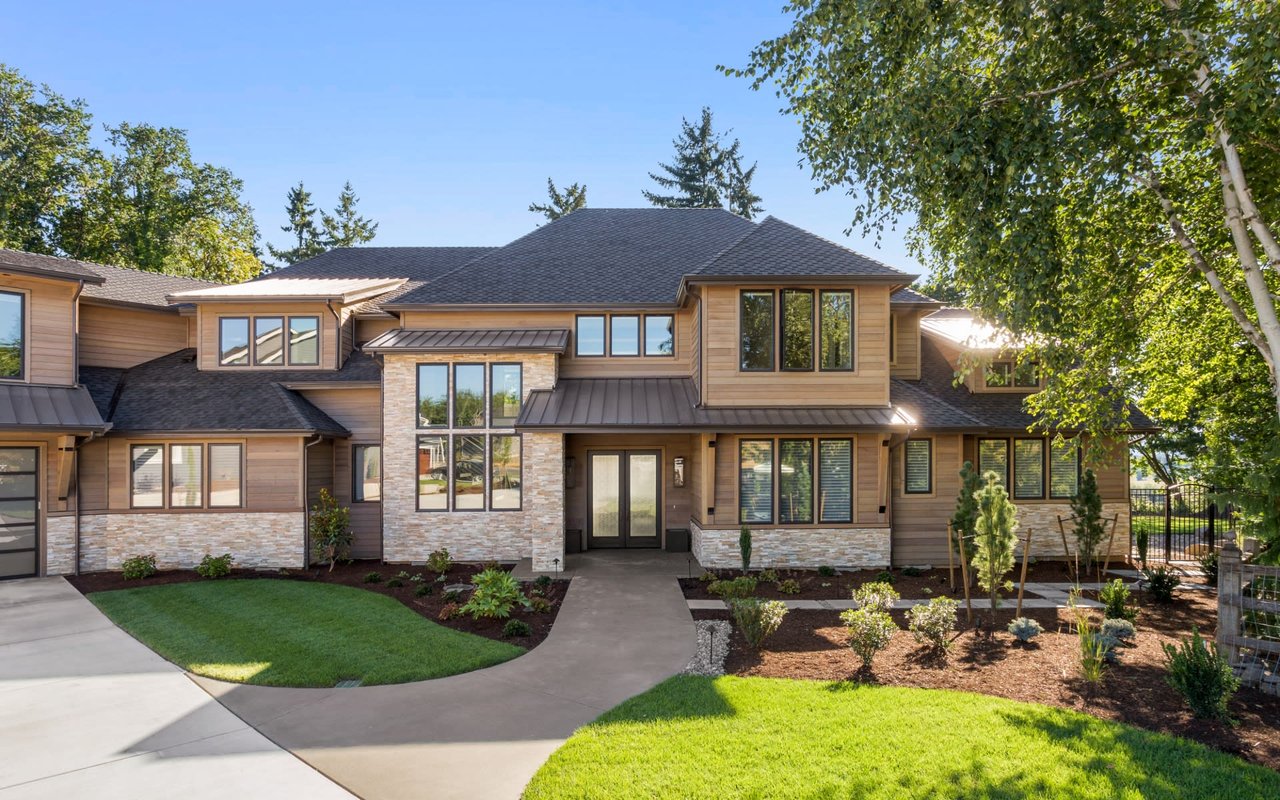
Moving to Charlotte in 2026: A Luxury Relocation Guide
August 10, 2026
August 10, 2026
A successful Charlotte relocation begins before the first showing. The city’s size and variety make it important to understand how daily life changes from one side of the region to another. That is the part of the conversation worth slowing down for.
Online searches for moving to Charlotte in 2026: a luxury relocation guide often begin with a simple question. The useful answer is rarely simple, because a property has to work on paper and in real life.
Start with the lived experience. Commute patterns vary sharply between Uptown, SouthPark, Ballantyne, Lake Norman and Union County. This is where two homes that look comparable online can feel completely different in person. A thoughtful search pays attention to the details that shape mornings, weekends, travel and maintenance, not only the features that photograph well.
Then look beneath the listing language. Neighborhood choice should reflect work, schools, travel, dining, recreation and the amount of maintenance a household wants. Ask for the documents, history and property-specific facts that support the claim. Marketing can point you in the right direction, but it should never replace verification during inspections and due diligence.
The financial side deserves the same care. In-town historic homes, suburban custom construction, golf communities and waterfront properties require different search strategies. Purchase price is only one number. Insurance, taxes, association costs, utilities, repairs and future projects all belong in the same conversation. Looking at the full picture makes it easier to compare options honestly.
Location changes the answer. Airport access is a major advantage, but actual drive time depends on the location and time of day. In Charlotte, a few miles can change commute patterns, access, rules, property types and the pace of daily life. Drive the routes, visit at more than one time of day and notice what surrounds the property.
Finally, think beyond the first year. A focused discovery call can save a relocation buyer from touring beautiful homes that do not fit real life. A good decision should fit both the life you have now and the one you are building. Think about resale, flexibility, aging, guests, work and the amount of property care you genuinely want to take on.
The most helpful way to approach this topic is with a short list of nonnegotiables and an equally honest list of tradeoffs. In Charlotte, buyers often have several strong choices, but those choices deliver different versions of the Carolina lifestyle. Clarity keeps a beautiful property from distracting you from a poor fit.
For sellers, the same lesson applies in reverse. The strongest presentation does not try to make a home perfect for everyone. It shows the right buyer exactly why the location, condition and lifestyle are worth choosing. Specific details build more trust than broad luxury language ever will.
If moving to Charlotte in 2026: a luxury relocation guide is part of your next move, begin with the questions that affect daily life and total ownership. Then verify the details at the property and community level. That approach may feel less dramatic than chasing a headline, but it is how confident decisions are made.
Before a showing, turn the broad topic into a property-level question: commute patterns vary sharply between Uptown, SouthPark, Ballantyne, Lake Norman and Union County. Ask what evidence is available and whether the answer changes by street, building, community or property type. A precise answer is far more useful than a polished generalization.
While touring, pay attention to this point: neighborhood choice should reflect work, schools, travel, dining, recreation and the amount of maintenance a household wants. Take notes about what can be changed, what cannot and what would require added cost or approval. It is easy to remember finishes and forget the practical details that determine satisfaction.
During due diligence, return to the numbers: in-town historic homes, suburban custom construction, golf communities and waterfront properties require different search strategies. Request current documents and independent professional guidance where appropriate. Rules, insurance, taxes, association obligations and property condition can change, so the answer should be verified for the exact home.
Before making an offer, test the location: airport access is a major advantage, but actual drive time depends on the location and time of day. Visit more than once if possible. Listen, drive, walk and notice the surroundings. What feels peaceful at midday may feel busy in the morning, and what seems distant on a map may be easy in practice.
Before closing, look ahead: a focused discovery call can save a relocation buyer from touring beautiful homes that do not fit real life. Consider the next five years, not only move-in day. The strongest purchase is one that can handle changing schedules, guests, maintenance needs and financial priorities without forcing an early compromise.
My advice is to keep the process personal. A search for moving to Charlotte in 2026: a luxury relocation guide may begin online, but the best answer comes from understanding how you want to live. Tell your advisor what you love, what wears you out and what you do not want to manage. Those details are not small talk. They are the information that turns a broad search into the right next move.
There is no prize for choosing the option other people call the most impressive. The better choice is the one that feels natural on an ordinary day and remains financially comfortable when something needs attention. In Charlotte, beauty is easy to find. The real work is matching that beauty with the right location, responsibilities and long-term plan.





Experience a personalized journey to your dream home with Theresa Pavone. Every step, from consultation to closing, is thoughtfully curated to meet your unique vision of luxury living.