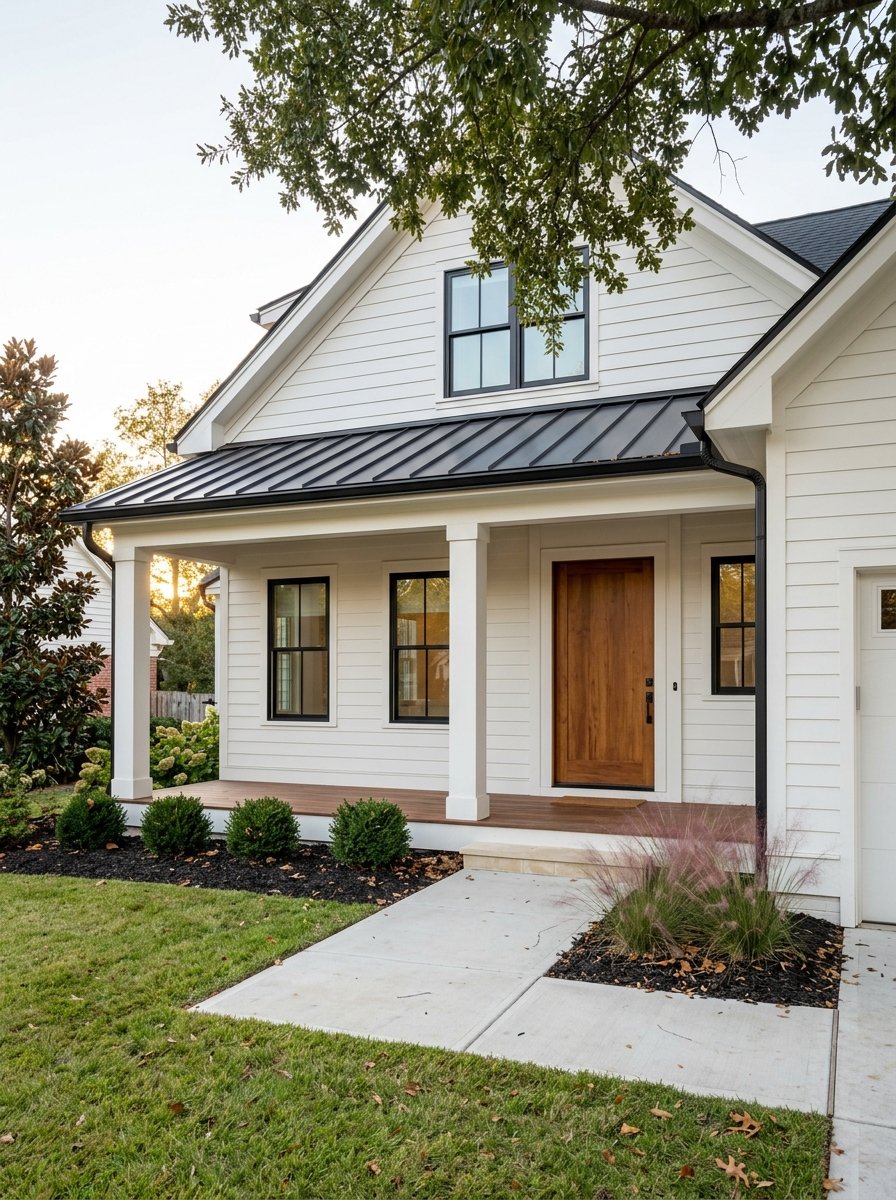
Owning In Charlotte And Hilton Head Island
May 7, 2026
May 7, 2026
Are you thinking about owning in both Charlotte and Hilton Head Island? For many buyers, that idea blends the practicality of a year-round home with the lifestyle appeal of a coastal retreat. If you want to make that plan work smoothly, you need to understand how these two markets differ and how your financing, intended use, and carrying costs fit together. Let’s dive in.
Charlotte and Hilton Head often complement each other because they serve different goals. Charlotte is generally the more accessible primary-residence market, while Hilton Head tends to be the higher-priced coastal market with a stronger second-home and resort feel.
That contrast shows up clearly in current market data. Charlotte’s April 2026 snapshot shows 5,846 active listings, a median listing price of $425,000, a median sold price of $435,000, and 39 days on market. Hilton Head’s current snapshot shows about 1,000 properties for sale, a median listing price of $650,000, a sale-to-list ratio near 96 percent, and around 70 days on market, while March 2026 sold-home data placed the median sale price at $801,250 with 54 days on market.
For you as a buyer, that means Charlotte may offer a broader path into full-time ownership, while Hilton Head often requires more planning around budget, use, and timing. Neither market is better or worse. They simply serve different roles in a long-term ownership strategy.
Charlotte remains anchored by single-family housing, which makes it a natural fit if you want a full-time residence with more day-to-day flexibility. At the same time, attached homes play an important role for buyers who want a lower-maintenance option or a different price point.
Late-2025 data from Canopy Realtor® Association showed strong single-family activity, while condo and townhome inventory rose 55 percent year over year. The association also noted that buyers looking for more affordable options may find greater flexibility in the condo and townhome segments.
That gives you a wider range of choices in Charlotte. You may decide on a single-family home if you want more space and a traditional primary-home setup, or you may prefer a condo or townhome if you want easier upkeep and more flexibility as you balance time between markets.
Hilton Head Island is a different kind of ownership story. It leans more heavily toward resort, seasonal, and second-home use, and that shapes both the property mix and the rules around how a home can be used.
The market itself reflects that pattern. The Hilton Head Area Association of Realtors’ 2025 annual report showed attached homes made up 47.4 percent of the market, with attached-heavy areas including Folly Field, Forest Beach, Shipyard, and HH General. The same report showed attached homes selling at 97.6 percent of list price versus 96.4 percent for detached homes, while attached prices were up 3.4 percent and detached prices were down 5.6 percent.
In practical terms, that means condos, villas, and other attached options are a meaningful part of the Hilton Head market. If you are looking for a coastal property that may be easier to lock and leave, that segment deserves close attention.
For many buyers, the cleanest sequence is to buy the Charlotte primary home first and add Hilton Head later. That is not a rule for every situation, but it often aligns better with second-home lending standards.
Fannie Mae’s second-home guidance requires borrower occupancy for part of the year, a one-unit dwelling suitable for year-round occupancy, exclusive control by the borrower, and no rental-property or timeshare arrangement. Fannie Mae also states that a second-home transaction typically requires two months of reserves, with additional reserves possible when the borrower already owns other financed properties.
Because of those standards, a Charlotte-first approach can make the path more straightforward if your goal is a primary residence plus a true second home. It helps you define intended use more clearly before adding a coastal property that could otherwise drift into investment-property territory.
This is one of the biggest planning points for Hilton Head buyers. A home can feel like a personal getaway, but if the intended use does not align with lender rules and local regulations, the purchase may need to be treated differently.
Fannie Mae allows second-home delivery in some cases even when rental income exists, as long as that income is not used to qualify and all second-home requirements are still met. The details matter here, because the difference between a second home and an investment property can affect financing structure, reserves, and documentation.
The clearest takeaway is simple: before you buy, make sure your intended use, loan classification, and ownership plan match. That step can save you from surprises later.
If you plan to rent out a Hilton Head property for short stays, local rules matter. The Town of Hilton Head Island defines a short-term rental as fewer than 30 days and requires both a short-term rental permit and a business license.
The permit is non-transferable, non-refundable, valid from May 1 through April 30, and carries a $250 annual fee. The ordinance applies to condominiums, villas, and single-family dwellings, and it also includes owner-availability, parking, trash, noise, and safety requirements.
For you, this means a short-term rental plan should never be an afterthought. If you want occasional rental use, you should confirm that your property type, intended use, and compliance responsibilities all fit before closing.
The most common home styles in Charlotte and Hilton Head support very different ownership goals. Charlotte leans toward single-family homes, while Hilton Head has a strong attached-home presence that fits the island’s resort orientation.
Here is the simplest way to think about it:
| Market | Common Strength | What It Often Means for You |
|---|---|---|
| Charlotte | Single-family homes with growing condo and townhome inventory | More options for full-time living, including lower-maintenance attached homes |
| Hilton Head Island | Strong condo, villa, and attached-home share | More opportunities for second-home use and lock-and-leave ownership |
This is where a tailored strategy matters. Your ideal Charlotte property may be all about daily living, while your Hilton Head purchase may be focused on simplicity, seasonal enjoyment, or carefully planned rental use.
Purchase price is only part of the ownership picture. If you plan to own in both Charlotte and Hilton Head, carrying costs should be modeled separately for each property.
Mortgage interest on a main home or second home may be deductible when the debt is secured by a qualified home and you itemize deductions, according to IRS Publication 936. On the property tax side, South Carolina’s Department of Revenue says legal residence receives the special 4 percent assessment ratio for a current primary home, while Beaufort County’s assessor says all other residential property is assessed at 6 percent. Mecklenburg County, meanwhile, bills real estate taxes based on the property value as of January 1.
These differences can materially change your monthly and annual cost picture. A home that looks manageable on purchase price alone may feel very different once taxes, reserves, and use-related costs are layered in.
The strongest dual-market plan usually starts with clarity. You want to know which home is your primary residence, how the second property will be used, whether any rental activity is part of the plan, and how the financing and tax treatment line up.
That is especially important because Charlotte and Hilton Head are not interchangeable markets. Charlotte generally offers a broader primary-home base with more year-round utility, while Hilton Head often requires more attention to second-home rules, local rental regulations, and carrying costs.
When those pieces align, owning in both places can be a smart and rewarding lifestyle move. When they do not, a second-home purchase can quickly become a more complicated investment-property discussion.
If you are weighing both markets, a thoughtful, step-by-step approach can help you protect flexibility and make decisions with confidence. That is where white-glove guidance across both regions can make a real difference. Ready to map out the right path for your Charlotte primary home, Hilton Head second home, or both? Connect with Theresa Pavone for a tailored consultation.


What Do Oceanfront, Ocean-Oriented and Walk-to-Beach Really Mean?




Experience a personalized journey to your dream home with Theresa Pavone. Every step, from consultation to closing, is thoughtfully curated to meet your unique vision of luxury living.