Is luxury for you a skyline view, a backyard dock, or a tree-lined avenue near the city’s core? In Charlotte, each of those options exists, but they live in very different neighborhoods and lifestyles. If you are relocating or moving up, the fastest path to clarity is knowing how Charlotte’s luxury areas differ and what trade-offs matter. In this guide, you will learn how the top submarkets compare on architecture, amenities, commute, and long-term fit so you can focus on the homes that will work best for you. Let’s dive in.
What “luxury” means in Charlotte
“Luxury” in Charlotte usually describes the top slice of the market. You will see everything from historic estates near Uptown to modern gated homes in South Charlotte, waterfront properties on Lake Norman, and high-rise penthouses. Price bands shift year to year with market appreciation, so it helps to define your ideal product type first. That might be a condo with concierge services, a renovated historic home with character, or a new build with a large lot and club amenities.
Charlotte’s growth has kept demand steady across these segments, but inventory and pricing vary by area and home type. Your decision will likely come down to lifestyle priorities as much as budget.
Submarket comparison at a glance
Below are the core luxury areas buyers compare most often. Use the quick snapshots to narrow your short list.
Uptown (Center City)
- Architecture: High-rise condos and penthouses with contemporary finishes and robust building amenities.
- Amenities: Walk to offices, dining, sports venues, and cultural institutions. Lock-and-leave convenience with concierge and valet options.
- Commute: Steps to the business core; access to the LYNX Blue Line and CityLYNX Gold Line on the CATS transit maps.
- Buyer fit: Executives who want a short commute or frequent travelers who value low maintenance.
- Price position: Among the highest per square foot in the city; top penthouses compete with single-family estate pricing.
Myers Park / Eastover / Dilworth / Elizabeth
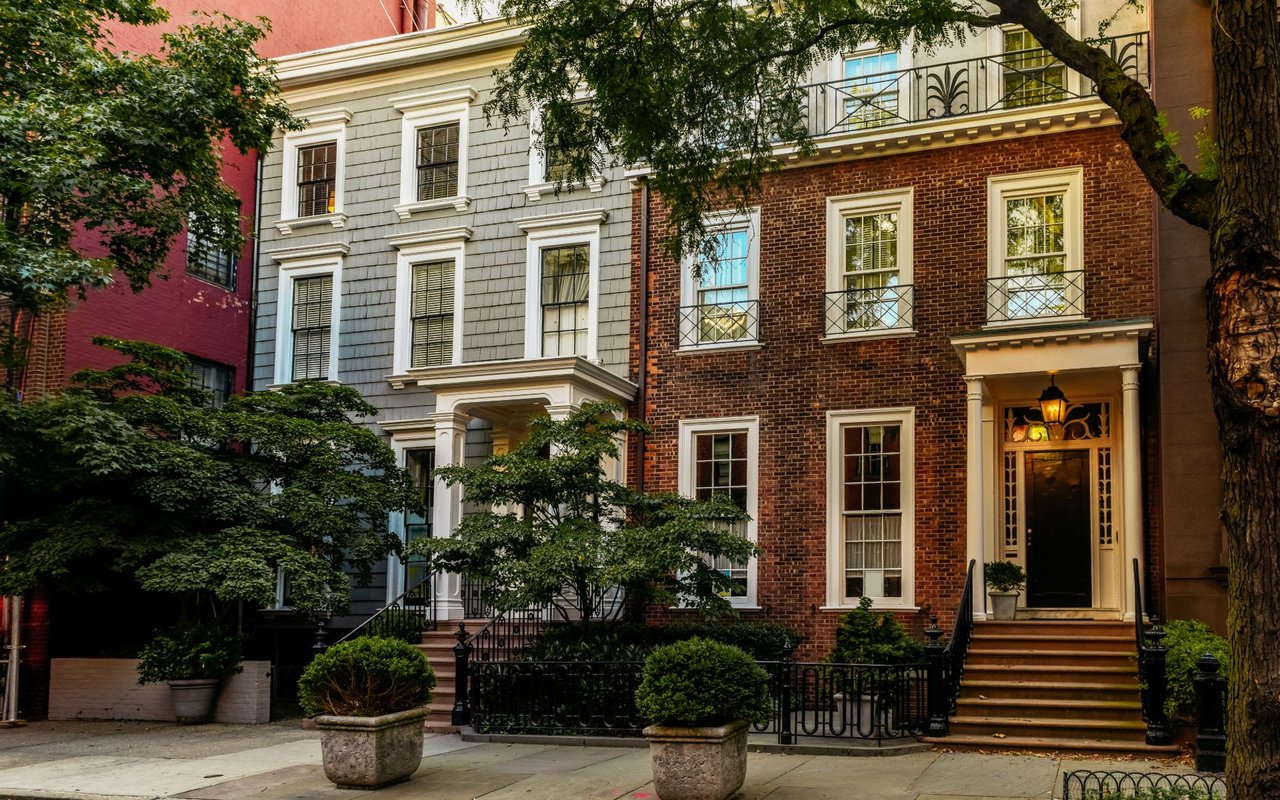
- Architecture: Early 20th century estates, renovated historic homes, and stately lots under mature trees.
- Amenities: Close to Uptown, proximity to country clubs, boutique dining and shopping, parks like Freedom Park.
- Commute: Short drives to Uptown; some pockets are walkable or bikeable.
- Buyer fit: You want classic architecture, larger yards, and a calm, established feel near the core.
- Price position: Consistently premium due to lot size, location, and historic character.
SouthPark
- Architecture: Luxury single-family homes, gated enclaves, and higher-end condos and townhomes, including new infill.
- Amenities: High-end retail and dining around SouthPark Mall, medical centers, and corporate offices.
- Commute: About 10 to 20 minutes to Uptown depending on route; straightforward access to I-485.
- Buyer fit: You want suburban conveniences with quick access to shopping, healthcare, and employment hubs.
- Price position: One of the most stable high-price single-family markets with moderate to large lots.
Ballantyne and South Charlotte master-planned areas
- Architecture: Newer luxury subdivisions and gated communities with modern floor plans and larger square footage.
- Amenities: Country clubs, community centers, golf, retail, and corporate campuses.
- Commute: About 20 to 35 minutes or more to Uptown at peak times; proximity to I-485 and I-77. For highway access, review the I-77 Express Lanes.
- Buyer fit: You prefer new construction, larger lots, and planned amenities with a polished suburban feel.
- Price position: Often more space for the price compared with inner historic neighborhoods; premiums for gated or club-focused enclaves.
Lake Norman: Cornelius / Davidson / Huntersville
- Architecture: Waterfront estates with private docks, custom homes, and vacation-like properties, plus newer luxury inland communities.
- Amenities: Boating, lakeside dining and retail, and small-town downtowns.
- Commute: Roughly 25 to 45 minutes to Uptown depending on traffic along I-77; chosen by buyers who prioritize the lakeside lifestyle.
- Buyer fit: You want water access, room for outdoor amenities, and you are comfortable with a longer commute.
- Price position: Waterfront is among the highest per property outside Uptown penthouses. Inland offerings can be more attainable.
Cotswold / Foxcroft / Kenilworth
- Architecture: Mid-century homes, larger estate lots, and significant tear-down and custom rebuild activity.
- Amenities: Close-in suburban character with quick access to SouthPark and Uptown, plus parks and private school options nearby.
- Commute: Around 10 to 20 minutes to Uptown on major arteries.
- Buyer fit: You want larger properties inside the loop without the historic overlay common in Myers Park or Dilworth.
- Price position: Competitive with SouthPark and nearby historic areas, influenced by lot size and level of renovation.
Plaza Midwood / NoDa
- Architecture: Renovated bungalows, historic craftsman homes, and modern infill townhomes and condos.
- Amenities: Vibrant dining, arts, and nightlife; popular with buyers seeking an energetic urban feel. See neighborhood walkability context in Walk Score’s Charlotte overview.
- Commute: Short drive to Uptown, with LYNX Blue Line access near NoDa.
- Buyer fit: You want character, entertainment, and high-end renovations rather than large estate lots.
- Price position: Rising values due to popularity; luxury often shows up as premium renovations and new urban infill.
South End / Biddleville / First Ward pockets
- Architecture: Luxury condos, live-work spaces, and renovated historic buildings, plus new construction.
- Amenities: Breweries, restaurants, fitness studios, and direct Blue Line and streetcar access.
- Commute: Immediate Uptown adjacency with reliable transit options.
- Buyer fit: You want a dense, walkable lifestyle with minimal car dependence.
- Price position: High per-square-foot condo pricing driven by finishes and building amenities.
Key differences to weigh
Architecture and lot profile
- Historic areas: Older homes with large lots and mature trees. Expect higher maintenance and renovation planning, and be aware of potential historic overlays.
- New construction: Modern floor plans, newer systems, and energy efficiency. Landscaping is often younger and lot sizes vary by subdivision.
- Waterfront vs. high-rise: Waterfront offers private outdoor recreation and dock potential. High-rise living favors lock-and-leave convenience, security, and services.
Amenities and lifestyle
- Club-focused vs. urban scene: Country clubs and golf appeal to those seeking organized social and recreational options. Urban districts emphasize dining, arts, nightlife, and walkability.
- Retail and medical access: Areas like SouthPark and Ballantyne place you close to high-end retail and healthcare. This can be a major convenience for busy households.
Commute and travel patterns
- Highways and transit: Uptown, South End, and near-core neighborhoods benefit from rail and streetcar options via CATS. North–south commuters rely on I-77, while I-485 provides circumferential access. The I-77 Express Lanes can help manage peak-hour variability.
- Airport access: If you travel often, consider drive time to Charlotte Douglas International Airport.
Schools and private options
Charlotte-Mecklenburg Schools (CMS) serves most neighborhoods, and assignments can influence buyer decisions. Many buyers also consider proximity to private schools concentrated in South Charlotte and near Myers Park. Always verify current boundaries and availability before making a decision.
HOAs, maintenance, and taxes
- HOAs: Common in master-planned neighborhoods and condos where fees cover amenities, reserves, and exterior maintenance.
- Taxes: Mecklenburg County taxes apply and vary by assessed value. Review costs and exemptions using Mecklenburg County property and tax resources.
Resale and appreciation
- Inner neighborhoods with limited lot supply, such as Myers Park and Eastover, tend to hold premiums based on scarcity and character.
- Newer suburban estates can deliver more space for the price, though resale depends on local employment patterns and the supply of similar homes.
Risk considerations
- Floodplain and watershed: Waterfront and low-lying parcels require flood map checks and may carry higher insurance.
- Noise patterns: Proximity to flight paths and busy roads can affect your experience. Research maps and noise studies before you buy.
Match area to lifestyle
Use your day-to-day routine to guide your search.
- Daily commute: If you want a 5-minute walk to the office, Uptown or South End fits. If you prefer a suburban base with flexible scheduling, SouthPark or Ballantyne may work. If you want weekends on the water, Lake Norman is compelling with a longer weekday drive.
- Space and privacy: If you want large lots and room for a pool or sport court, look to South Charlotte, Foxcroft, or select Lake Norman communities. If you want ultra-low maintenance, explore high-rise luxury or newer townhome enclaves.
- Entertainment and dining: If you love dining out and an active social scene, districts like South End and Plaza Midwood put you close to the action.
Practical evaluation checklist
Use this framework to compare specific homes across neighborhoods.
- Commute and travel
- Typical drive to your primary office during peak hours.
- Highway and transit options, including the Blue Line, Gold Line, and express lanes.
- Time to CLT for flights, parking preferences, and rideshare access.
- Home product and maintenance
- Year built, renovation history, and systems age.
- Lot size, tree canopy, privacy, and potential for additions or a pool.
- Condos: HOA rules, reserves, special assessments, parking, and rental policies.
- Amenities and lifestyle
- Proximity to clubs, fitness, shopping, parks, and greenways.
- Neighborhood character, walkability, and evening noise levels. For a quick scan, review Walk Score’s Charlotte overview.
- Schools and childcare
- Current CMS assignments and commute to private school options where relevant.
- Financials and carrying costs
- Property taxes, HOA fees, insurance needs, and projected utilities based on square footage.
- Confirm details through Mecklenburg County resources.
- Resale considerations
- Regulatory and environmental
- Zoning or historic overlays and floodplain status.
Tips for relocating executives
- Start with product type: Decide first between condo, historic single-family, new-construction estate, or waterfront. It narrows your search immediately and aligns with your maintenance tolerance.
- Time your routes: Test commute windows that match your schedule. Use alternate routes and the express lanes to understand best-case and typical times.
- Map daily life: Plot out the places you will use weekly, from your office to schools to fitness and dining. This visual can make the right area obvious.
- Plan for guests and travel: If you host clients or travel often, prioritize proximity to Uptown, major hotels, and CLT.
How we help you compare, faster
As a boutique, luxury-focused team, we tailor the process to your lifestyle and confidentiality needs. We curate listings that match your product type and budget, coordinate private tours on your schedule, and benchmark options by commute, amenities, and long-term resale factors. If you prefer new construction or a custom build, we leverage builder relationships and guide lot selection, design meetings, and timelines so you can make confident decisions without the noise.
Ready to see which Charlotte luxury area fits you best? Connect with Theresa Pavone to schedule a private, no-pressure consultation and a curated area tour.
FAQs
What counts as a luxury home in Charlotte?
- Luxury generally refers to the top 5 to 10 percent of the local market, including historic estates, newer gated homes, waterfront properties, and high-rise penthouses.
Which Charlotte areas have the shortest Uptown commute?
- Uptown, South End, Myers Park, Dilworth, and Elizabeth typically offer the fastest access, with SouthPark close behind. Ballantyne and Lake Norman rely on highway routes.
Where can I get more space for my budget?
- Newer luxury areas like Ballantyne and some inland Lake Norman communities often provide more square footage and larger lots compared with inner historic neighborhoods.
Should I choose a condo or a single-family estate?
- Pick based on priorities. Condos offer low maintenance and urban convenience. Estate homes provide privacy, outdoor space, and room to customize.
How do HOAs and fees affect my monthly costs?
- In master-planned communities and condos, HOA fees cover amenities and maintenance and can be significant. In historic areas, fees may be lower, but maintenance needs can be higher.
How important are schools in luxury neighborhood decisions?
- Many buyers factor in CMS assignments and proximity to private schools. Verify current boundaries and commute times to ensure they match your needs.
What transit and infrastructure should I track?
- Review the LYNX Blue Line and CityLYNX Gold Line via CATS and consider peak-hour impacts along I-77 and I-485, including the I-77 Express Lanes.
Where can I find local context on taxes and demographics?