
Buying a Furnished Home on Hilton Head Island
November 6, 2026
Many Hilton Head Island homes and villas are marketed as furnished, but the word “furnished” is not a complete inventory. Buyers need a written list of what transfers, what the seller will remove and whether any rental reservations or management agreements affect the contents.
The safest rule is simple: if an item matters, identify it in writing.
Built-in items and fixtures are usually treated differently from movable furniture, artwork, linens and kitchen supplies. Questions often arise around televisions, wall-mounted equipment, grills, patio furniture, light fixtures and decorative pieces.
The South Carolina purchase contract provides a place to identify personal property that will transfer. A separate inventory or bill of sale may also be used depending on the transaction and legal guidance.
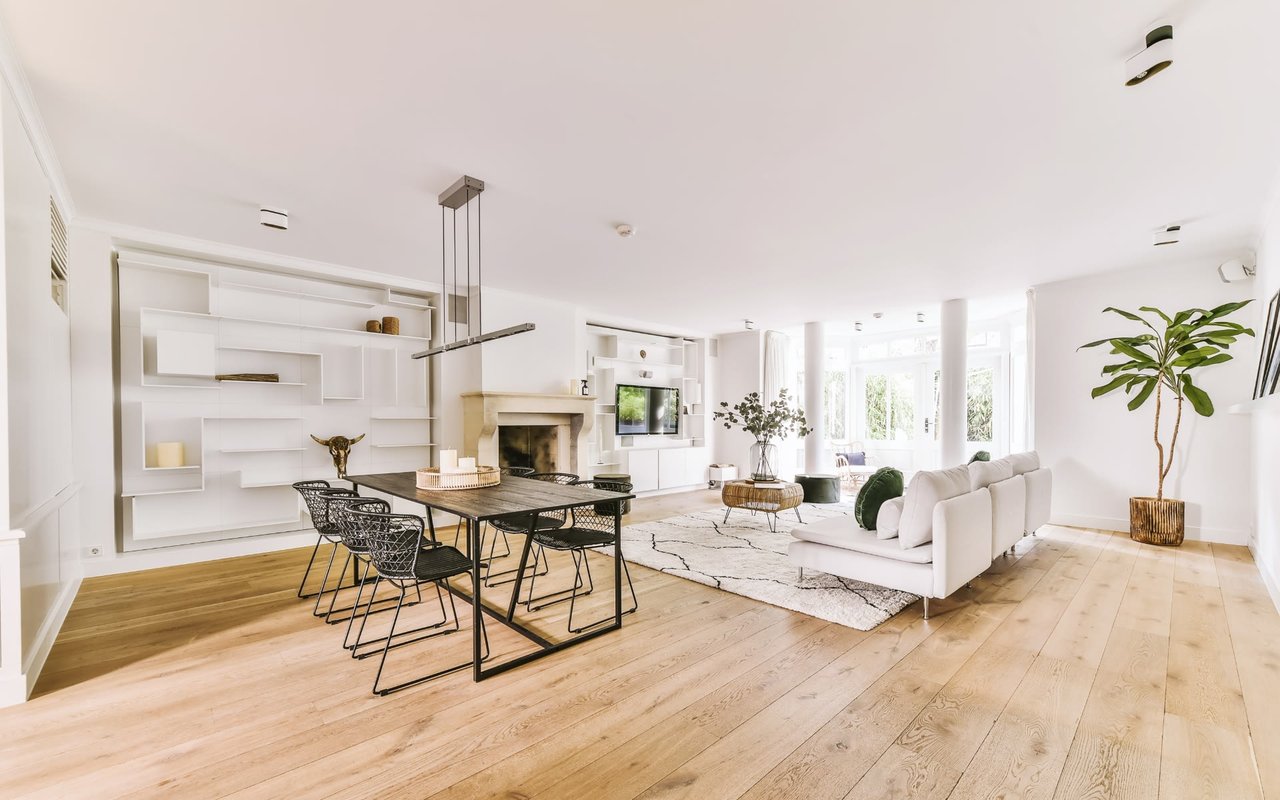
Do not rely on listing photographs. A photo documents how the property looked for marketing, not necessarily what the buyer owns after closing.
Walk through the property and note the important items. Include furniture, mattresses, window treatments, televisions, outdoor pieces, bicycles, beach equipment, appliances and electronics.
Generic language such as “all furnishings included” can still create disagreement. Sellers may consider artwork, family pieces, locked-owner closets or certain electronics excluded.
Photographs attached to a dated inventory can help everyone confirm the same understanding. Your agent and closing attorney can advise how that inventory should be incorporated.
If the home has been used as a short-term rental, some items may belong to the management company or have been purchased for guest use. Linens, smart locks, routers, maintenance supplies and branded materials may not transfer automatically.
Existing reservations may also create obligations. South Carolina law and the contract can affect how future bookings, deposits and rental agreements are handled after a sale.
Ask for the rental calendar, management agreement and a list of property owned by third parties. Confirm whether the buyer intends to continue with the same manager or establish a new relationship.
A property can include attractive furniture and still need meaningful spending before the first guest arrives. Mattresses, linens, cookware, safety equipment, locks, internet service and outdoor furnishings may require replacement or upgrades.
Town short-term rental rules include permit, business-license, safety, parking and local-contact requirements. Community or regime rules may impose additional limits.
Price the operational setup separately from the value of the furniture.
Furniture in a coastal property experiences humidity, sand, sun and heavy use. Open drawers, check upholstery and inspect outdoor pieces. Ask whether anything has water damage, odors or pest concerns.
For expensive items, decide whether the value justifies a professional appraisal or specific documentation. A buyer should not pay a large premium for a collection of items that will immediately be replaced.
Turnkey furnishings can make a second home easier. They reduce delivery coordination and allow the buyer to begin using the property quickly. They can also leave the buyer paying to remove pieces that do not fit the intended style.
Separate the list into three categories: items you value, items you can use temporarily and items you would rather not receive. That makes negotiations clearer.
The final walk-through should confirm that the agreed items remain and excluded items have been removed without damage. Check remotes, keys, access cards and owner closets. Make sure trash and unwanted belongings are not being left behind as “furnishings.”
If a required item is missing, raise the issue before closing rather than assuming it can be solved afterward.
Furniture can add convenience and value, but it should not distract from location, condition, insurance, regime finances and community rules. A beautifully staged villa can still carry an assessment or an ownership cost that does not fit.
Choose the Hilton Head Island property because the real estate works. Then document the personal property carefully so the version you toured is the version you are prepared to own.








Experience a personalized journey to your dream home with Theresa Pavone. Every step, from consultation to closing, is thoughtfully curated to meet your unique vision of luxury living.