Balancing Lifestyle And Rental Returns On Hilton Head
May 28, 2026
May 28, 2026
What if the best Hilton Head purchase is not the one with the highest projected rent, but the one you will actually enjoy owning? If you are shopping for a second home or vacation rental, you are likely trying to balance personal use, guest appeal, and the realities of operating a short-term rental on the island. The good news is that Hilton Head can support both lifestyle value and rental potential when you buy with a clear framework. Let’s dive in.
Hilton Head Island is not just a summer beach destination. The Hilton Head Island-Bluffton Visitor & Convention Bureau says its channels reach 2.84 million visitors, and average stays run 6 to 7 nights, which helps explain why so many owners think in weekly rental terms.
That demand also stretches beyond peak beach season. Official visitor materials continue to promote golf, biking, culture, outdoor recreation, and milder weather in the fall and winter, which gives the island a broader tourism base than a purely seasonal market.
Several core island features help support that pattern. Hilton Head highlights 12 miles of beaches, 60+ miles of pathways, and 23 golf courses, all of which shape what visitors look for when they book a stay.
Before you compare condos, villas, or single-family homes, get clear on how you want the property to work for you. If you plan to use it often, your priorities may lean toward views, privacy, layout, and how the home fits your routine.
If rental income matters more, you may want to focus on features guests actively search for. On Hilton Head, that often means beach proximity, easy parking, group-friendly floor plans, and amenities that support a smooth vacation stay.
For many buyers, the right answer is somewhere in the middle. A well-chosen property can give you meaningful personal use while still appealing to the island’s steady stream of visitors.
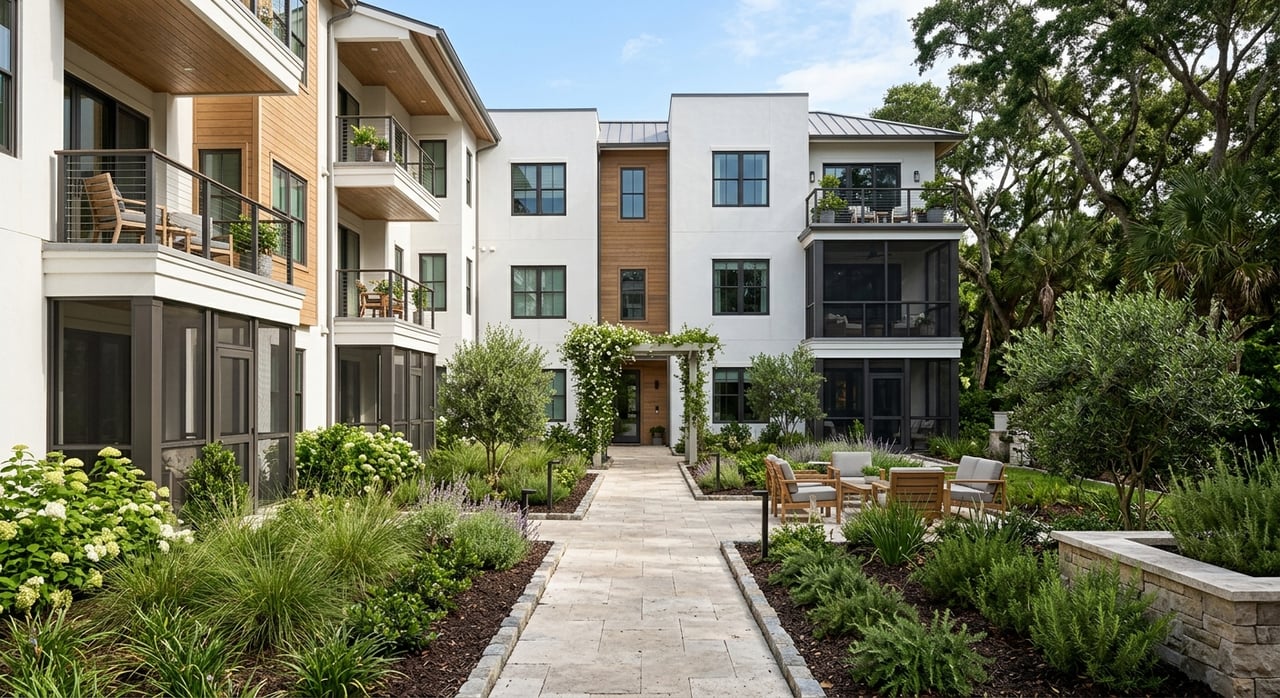
Condos and villas are common parts of Hilton Head’s vacation inventory. Official tourism content regularly presents these properties as offering practical, guest-friendly features such as full kitchens, laundry, multiple bedrooms, balconies, pools, beach access, and sometimes on-site management.
For buyers who want a more turnkey experience, this category can be appealing. These properties often align well with short stays because they package convenience, shared amenities, and resort access in a way many guests already expect.
Townhomes can offer a middle ground between condo living and a detached home. Depending on the specific property, you may get more space and separation than a condo while still benefiting from a vacation-oriented setting.
That balance can appeal to owners who want enough room for family use without taking on everything that can come with a larger standalone property. As always, the details of location, parking, and amenities matter.
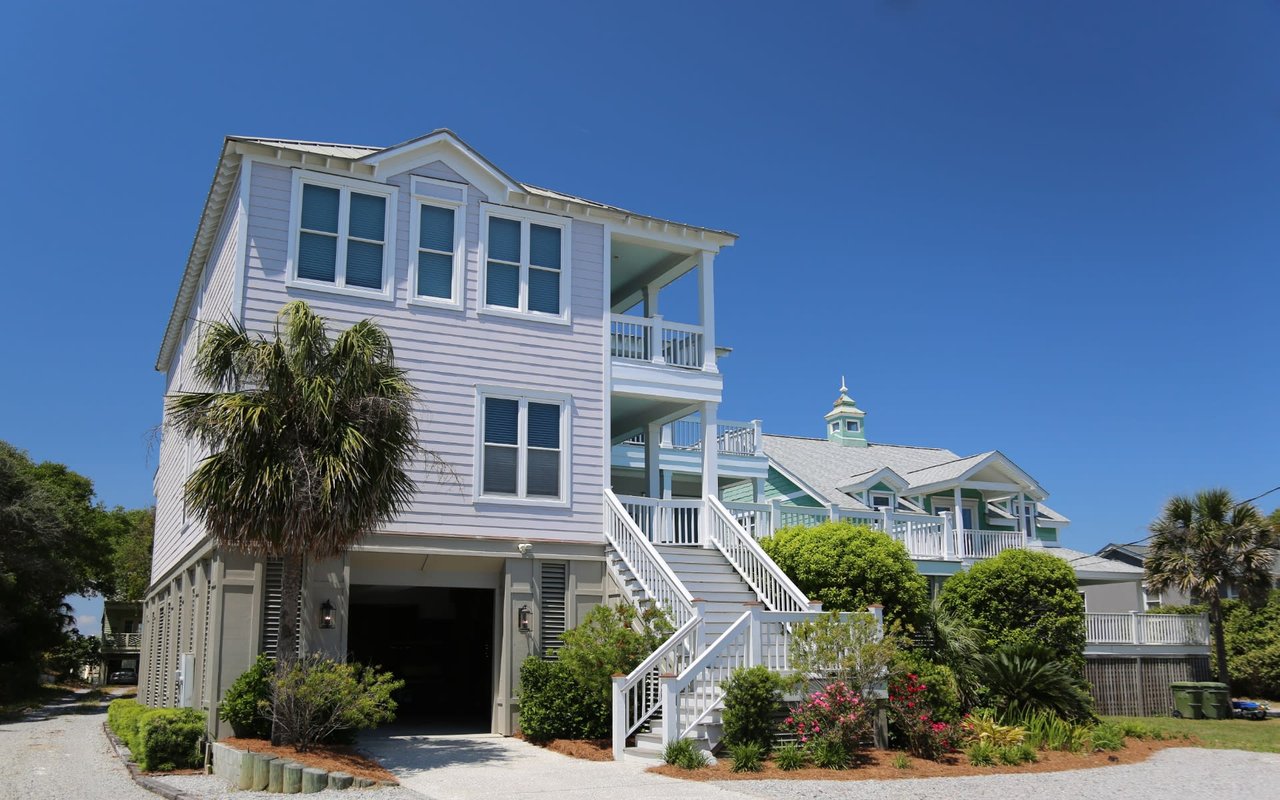
Single-family homes typically offer more privacy, more outdoor space, and a more individualized ownership experience. They may be especially attractive if you picture hosting extended family or spending longer stretches on the island.
The tradeoff is that a detached home may rely less on shared resort conveniences and more on the property’s own layout, parking, outdoor living, and proximity to key attractions. For some buyers, that is exactly the point. For others, it adds more operational complexity.
While every property is different, the island’s visitor patterns offer useful clues about what tends to attract bookings. Hilton Head consistently markets beaches, golf, biking, and pet-friendly travel, so properties that fit those experiences may have broader appeal.
Beach access remains one of the clearest demand drivers on the island. Oceanfront placement, easy beach access, and proximity to shoreline activity can make a property more attractive to vacation guests.
Even when a home is not directly on the beach, convenience still matters. A simple route to the sand can be meaningful for both your personal enjoyment and your rental strategy.
Many Hilton Head visitors stay for nearly a week, and group travel is common. Multiple bedrooms, full kitchens, laundry, balconies, and room for families or reunion-style gatherings show up often in official lodging examples.
That makes practical space planning important. A property that feels easy to share can support a better guest experience and potentially broader booking appeal.
Golf remains a major part of the island’s identity, especially outside the height of summer. With 23 golf courses promoted across Hilton Head, golf access can strengthen a property’s appeal for buyers focused on shoulder-season use and rental activity.
Bikeability also matters. The island’s 60+ miles of pathways are part of the visitor experience, so homes and villas with easy access to those routes may connect well with what guests already come to enjoy.
Pet-friendly travel is another recurring theme in official Hilton Head tourism content. If a property and its governing rules allow it, pet-friendly use can help widen your audience, especially during off-peak periods.
Of course, this is one area where you need to confirm the exact rules before you buy. A feature only helps your strategy if the property actually permits it.
A property can look strong on paper and still be the wrong fit for your life. If you plan to spend meaningful time on Hilton Head, think beyond booking demand and consider how the home feels when you are the one using it.
You may care about privacy, views, outdoor space, building style, or how easy it is to host family and friends. Those lifestyle preferences are not secondary. They are part of what makes ownership worthwhile.
Beachfront ownership also comes with island-specific considerations. Hilton Head notes that sea turtle nesting season runs from early May through October, so exterior lighting and beach etiquette may become part of your ownership routine.
Accessibility may matter too. Official visitor information highlights features such as beach matting and beach wheelchairs at public beaches, which can be relevant if ease of access is part of your long-term planning.
Rental potential is only part of the equation. On Hilton Head, compliance is a real part of ownership, and buyers should understand that before they purchase.
The Town of Hilton Head Island applies its short-term rental ordinance to privately owned residential property used as vacation homes and short-term rentals for periods of fewer than 30 days. That means your intended use should be reviewed early, not after closing.
Each short-term rental property needs a Town permit and a Town business license. The Town states that the permit is non-transferable, costs $250 per property, and is valid from May 1 through April 30.
That matters if you are evaluating a property based on near-term rental plans. You are not simply stepping into a passive setup. You are taking on an active compliance process.
The Town also requires the owner or agent to be available by phone at all times and to take responsive action within one hour of a complaint. For single-family dwellings, owners must provide a site plan showing parking and trash areas and follow rules for improved-surface parking, guest parking, trash storage, and pool or hot tub disclosure.
This is where property type can influence your ownership experience. A detached home may offer more privacy and flexibility, but it can also bring more direct operational responsibility.
Tax treatment is another reason to model your decision carefully. Hilton Head’s Town tax information describes a 3% levy on transient lodging within the Town, made up of a 1% accommodations tax and a 2% beach preservation fee.
South Carolina also says accommodations tax applies to sleeping accommodations rented for fewer than 90 consecutive days, and the state notes that local governments may impose their own accommodations taxes. In practice, that means your revenue model needs to account for more than just gross booking income.
Booking strategy matters too. The South Carolina Department of Revenue says direct-booked short-term rentals generally need a Retail License to file and pay accommodations tax, while bookings handled exclusively through a property-management company or online travel company may be remitted by that entity.
If you want to balance lifestyle and rental returns on Hilton Head, it helps to evaluate each property through two lenses at the same time. First, ask whether the home supports the way you want to live, relax, and gather when you are on the island.
Second, ask whether it fits Hilton Head’s core visitor demand. Beach access, amenity density, practical parking, family-friendly layout, golf access, and bike connectivity are all signals worth weighing.
Then look at the operating side with the same level of care. Permits, taxes, management approach, personal-use blocks, insurance, dues, and compliance expectations can all affect what your ownership experience and net returns actually look like.
A polished listing photo or strong gross revenue estimate only tells part of the story. The best purchase is usually the one that matches your goals, your tolerance for hands-on ownership, and the way Hilton Head really functions as a rental market.
If you are comparing options, it can help to build a short checklist:
That last question is often the most revealing. A second home should support your financial goals, but it should also fit the reason you wanted a place on Hilton Head in the first place.
When you are ready to evaluate villas, condos, or second-home opportunities with a more tailored strategy, Theresa Pavone offers a refined, relationship-driven approach for buyers who want to balance personal enjoyment with smart acquisition decisions on Hilton Head Island.




Experience a personalized journey to your dream home with Theresa Pavone. Every step, from consultation to closing, is thoughtfully curated to meet your unique vision of luxury living.